
Uninterrupted Power System: The Ultimate Guide to Reliable and Continuous Power Solutions (2025)
What Is an Uninterrupted Power System?
An uninterrupted power system is a critical electrical solution designed to provide instant backup power when the main power supply fails. Unlike traditional generators that take time to start, an uninterrupted power system delivers power immediately, ensuring that connected equipment continues running without disruption.
This system is commonly used to protect sensitive electronic devices such as computers, servers, medical equipment, and industrial machines. Even a short power interruption can cause data loss, hardware damage, or operational downtime. That’s where an uninterrupted power system becomes essential.
At its core, the uninterrupted power system acts as a bridge between the primary power source and connected devices. It stabilizes voltage, filters electrical noise, and supplies emergency power during outages. As power reliability becomes more important in today’s digital world, the demand for uninterrupted power systems continues to grow across industries.
How an Uninterrupted Power System Works
An uninterrupted power system operates by constantly monitoring incoming electrical power. When power is stable, the system allows electricity to flow normally while charging its internal battery. The moment a power failure or voltage fluctuation occurs, the system switches to battery power automatically.
This transition happens within milliseconds, so connected devices never notice the change. Advanced uninterrupted power systems also regulate voltage levels, protecting equipment from power surges, spikes, and brownouts.
Once the main power supply is restored, the uninterrupted power system switches back to utility power and recharges its battery. This seamless operation ensures continuous productivity and safety for both equipment and users.
See also: How to Successfully Sell a Business in Greenville
Key Components of an Uninterrupted Power System
An uninterrupted power system consists of several essential components working together:
- Battery: Stores electrical energy for backup power
- Rectifier: Converts AC power to DC to charge the battery
- Inverter: Converts DC power back to AC during outages
- Static Switch: Enables instant power transfer
- Control Circuit: Monitors power quality and system performance
Each component plays a vital role in ensuring the uninterrupted power system delivers reliable and stable power when it’s needed most.
Types of Uninterrupted Power System
Offline (Standby) UPS
This is the most basic form of uninterrupted power system. It remains idle until a power failure occurs. Once an outage is detected, it switches to battery power. These systems are cost-effective and commonly used for home computers and small offices.
Line-Interactive UPS
A line-interactive uninterrupted power system provides better voltage regulation. It can correct minor power fluctuations without switching to battery power. This type is ideal for small businesses and network equipment.
Online (Double Conversion) UPS
An online uninterrupted power system offers the highest level of protection. It continuously converts incoming AC power to DC and back to AC, ensuring complete isolation from power disturbances. These systems are widely used in data centers, hospitals, and industrial environments.
Benefits of Using an Uninterrupted Power System
Using an uninterrupted power system offers several advantages:
- Prevents data loss during power failures
- Protects equipment from voltage fluctuations
- Ensures continuous operation of critical systems
- Reduces downtime and productivity loss
- Extends the lifespan of electronic devices
These benefits make an uninterrupted power system a smart investment for both individuals and organizations.
Applications of an Uninterrupted Power System
Data Centers and IT Infrastructure
Data centers rely heavily on uninterrupted power systems to maintain server uptime and prevent data corruption. Even a brief outage can result in significant financial loss.
Healthcare Facilities
Hospitals use uninterrupted power systems to keep life-saving equipment running during power failures. Reliability is critical in medical environments.
Industrial and Manufacturing Units
Manufacturing plants depend on uninterrupted power systems to avoid production halts and equipment damage caused by sudden power loss.
Commercial and Residential Use
Offices, retail stores, and homes use uninterrupted power systems to protect computers, security systems, and communication devices.
Factors to Consider When Choosing an Uninterrupted Power System
When selecting an uninterrupted power system, consider the following:
- Power capacity (VA or kVA rating)
- Battery runtime requirements
- Load type and sensitivity
- Installation space
- Maintenance and support availability
Choosing the right uninterrupted power system ensures optimal performance and long-term reliability.
Energy Efficiency and Sustainability
Modern uninterrupted power systems are designed with energy efficiency in mind. High-efficiency models reduce power losses and lower operating costs. Many manufacturers now focus on eco-friendly batteries and recyclable components.
For additional technical standards and efficiency guidelines, you can refer to resources from the International Electrotechnical Commission (IEC):
👉 https://www.iec.ch
Installation and Maintenance Best Practices
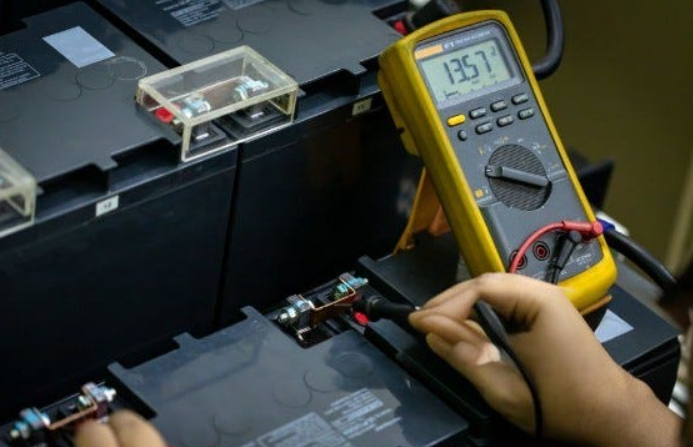
Proper installation is essential for the effective operation of an uninterrupted power system. Always follow manufacturer guidelines and ensure adequate ventilation. Regular maintenance, such as battery testing and firmware updates, helps extend system life and prevent unexpected failures.
Common Problems and Troubleshooting
Some common uninterrupted power system issues include battery degradation, overload conditions, and overheating. Routine inspections and timely replacement of worn components can prevent most problems.
Cost vs Value: Is an Uninterrupted Power System Worth It?
While the initial cost of an uninterrupted power system may seem high, the long-term value far outweighs the expense. Preventing downtime, data loss, and equipment damage can save significant costs over time.
Future Trends in Uninterrupted Power Systems
The future of uninterrupted power systems includes smart monitoring, lithium-ion batteries, and integration with renewable energy sources. These advancements aim to improve efficiency, reliability, and sustainability.
Frequently Asked Questions (FAQs)
1. What is the main purpose of an uninterrupted power system?
The main purpose is to provide immediate backup power and protect equipment from electrical disturbances.
2. How long can an uninterrupted power system provide backup power?
Backup time depends on battery capacity and connected load, ranging from a few minutes to several hours.
3. Is an uninterrupted power system the same as a generator?
No, an uninterrupted power system provides instant power, while generators take time to start.
4. Can an uninterrupted power system be used at home?
Yes, many models are designed for residential use to protect computers and home electronics.
5. How often should UPS batteries be replaced?
Typically every 3–5 years, depending on usage and environmental conditions.
6. Does an uninterrupted power system consume a lot of electricity?
Modern systems are energy-efficient and consume minimal additional power.
Conclusion
An uninterrupted power system is no longer a luxury—it is a necessity in today’s power-dependent world. From protecting sensitive electronics to ensuring continuous business operations, these systems play a vital role across industries. By choosing the right uninterrupted power system and maintaining it properly, you can safeguard your equipment, data, and productivity for years to come.