Strategic Analytics Overview: 120791068, 1144409934, 501178900, 685714390, 971571576, 689680245
Strategic analytics serves as a pivotal mechanism for organizations seeking to optimize decision-making through data utilization. It encompasses various frameworks and methodologies that enhance performance measurement and predictive insights. With case studies demonstrating its effectiveness across multiple industries, the discussion around strategic analytics only continues to evolve. As organizations adapt to emerging trends, the implications for future growth and competitiveness merit further examination. What lies ahead for businesses embracing this analytical paradigm?
Understanding Strategic Analytics
Strategic analytics serves as a critical framework for organizations seeking to leverage data in decision-making processes.
It facilitates data driven decisions by analyzing performance measurement metrics, enabling organizations to assess their efficiency and effectiveness.
Key Concepts and Frameworks
Data-driven decision-making relies on a set of key concepts and frameworks that underpin the practice of strategic analytics.
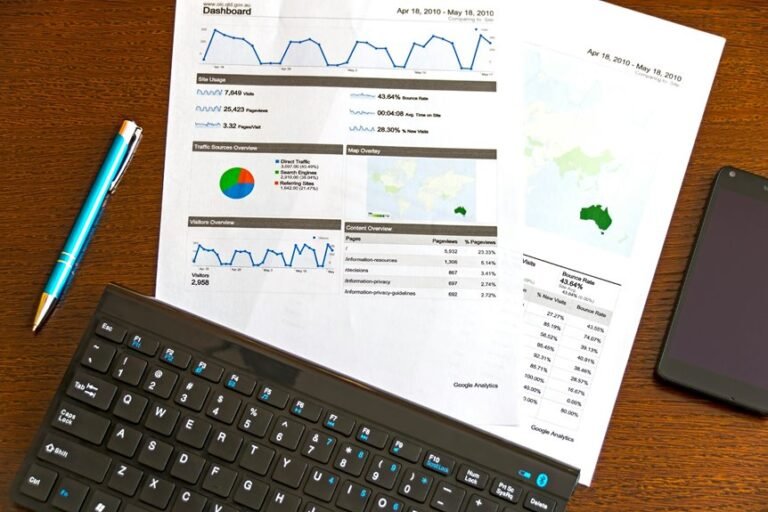
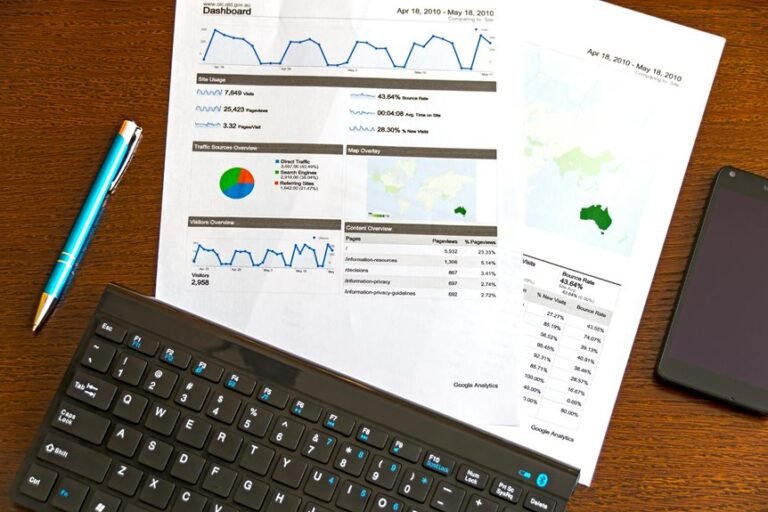
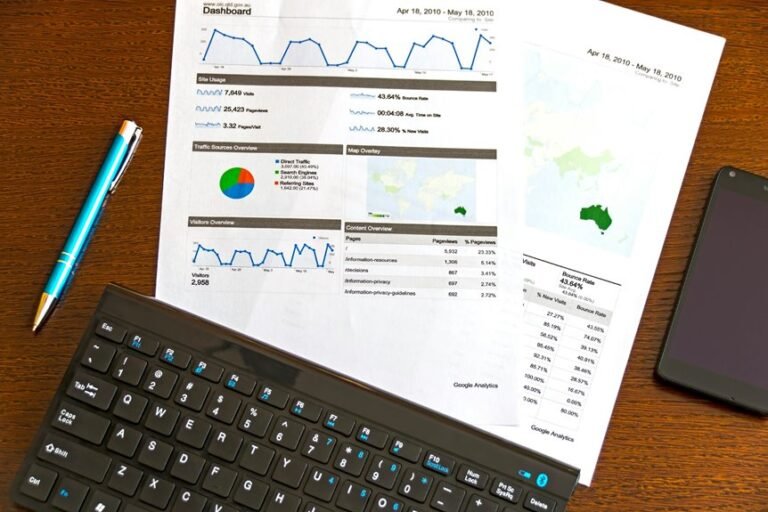
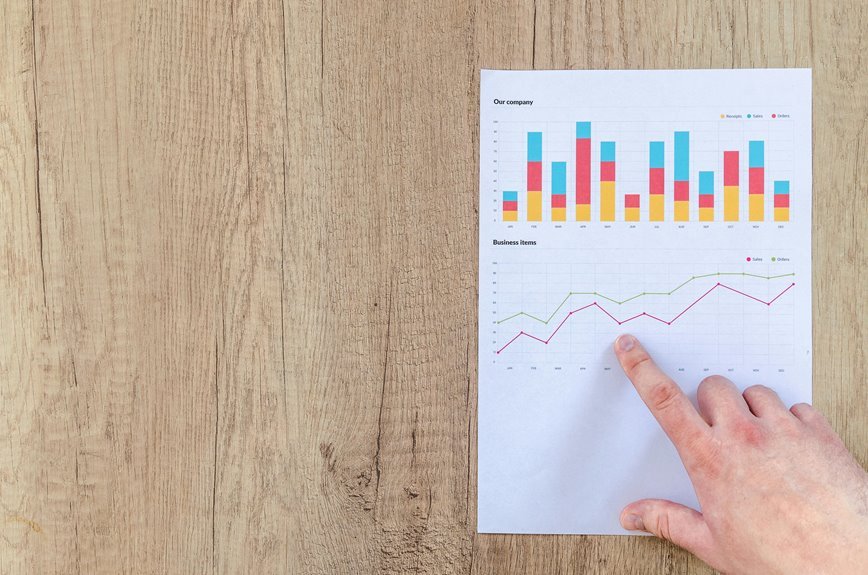
Central to this practice are data visualization techniques, which enhance understanding of complex data, and predictive modeling frameworks, which enable businesses to forecast future trends.
Together, these tools empower organizations to make informed choices, fostering an environment where freedom and innovation can thrive.
Case Studies and Applications
Numerous organizations have effectively implemented strategic analytics through various case studies that illustrate its practical applications across different industries.
Application examples include retail companies optimizing inventory management and healthcare providers enhancing patient outcomes via predictive analytics.
These case studies demonstrate how data-driven decision-making fosters efficiency, innovation, and competitive advantage, ultimately empowering organizations to respond more adeptly to market dynamics and consumer needs.
Future Trends in Strategic Analytics
What will the future hold for strategic analytics as technology and business landscapes continue to evolve?
Emerging trends suggest a greater reliance on predictive modeling to forecast outcomes and enhance decision-making processes.
Moreover, advancements in data visualization will facilitate clearer insights, empowering organizations to interpret complex data effectively.
These developments will enable businesses to harness analytics for proactive strategies and innovative solutions.
Conclusion
In conclusion, strategic analytics emerges as a pivotal tool for organizations seeking to harness data effectively. Notably, companies employing data-driven strategies have reported up to a 5-6% increase in productivity, underscoring the tangible benefits of analytics. By understanding key concepts and frameworks, and examining case studies, organizations can navigate future trends and maintain a competitive edge. As data utilization continues to evolve, the integration of strategic analytics will be essential for sustainable growth in dynamic markets.